
6 Practical Tips for Labeling Moving Boxes for Faster Unpacking
A good labelling system doesn't have to be complicated. Each box should tell you where it belongs, what it contains, and how soon you need to unpack it. These six practical tips will help you organise your moving boxes and find essential belongings more easily after the move.
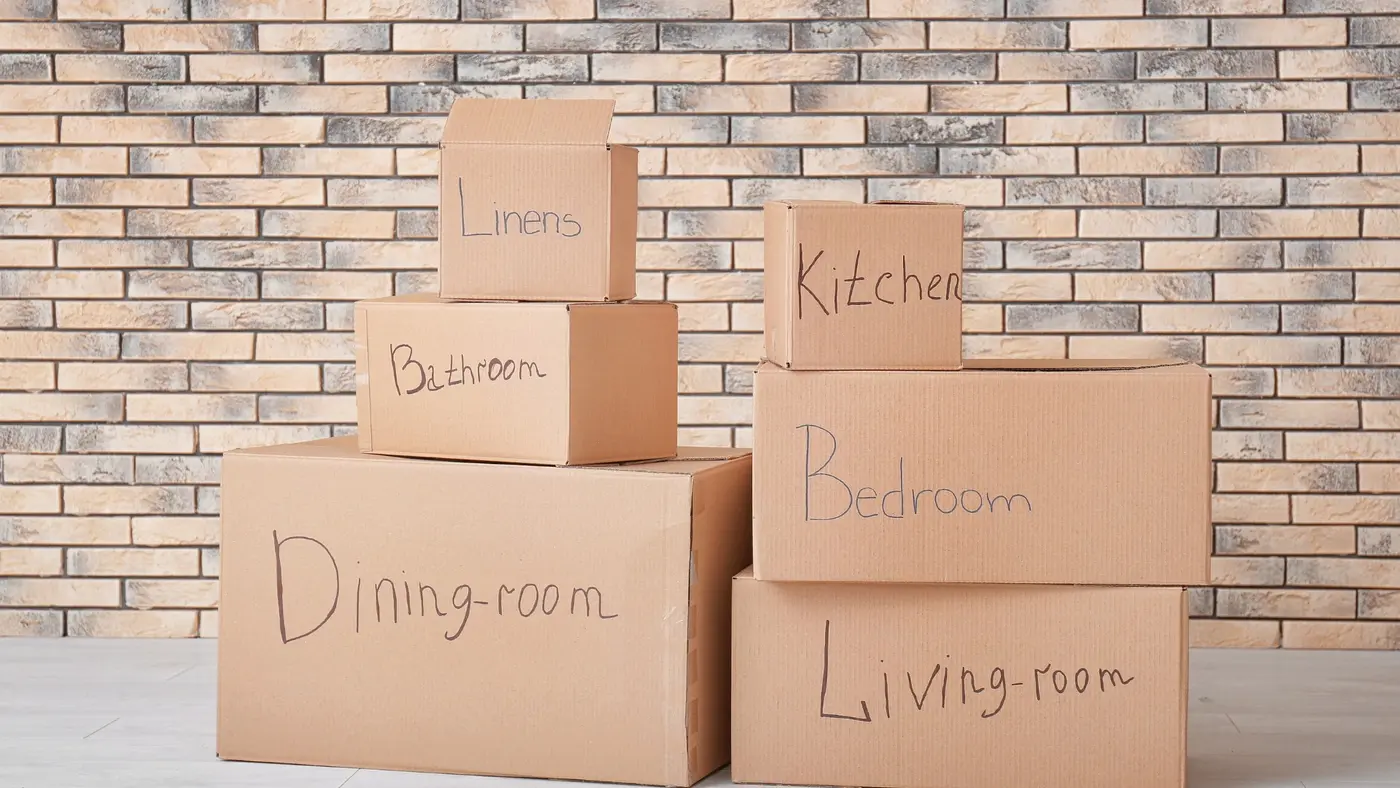
1. Label Each Box with Its Destination Room
Write the name of the destination room on every box. This helps movers place boxes in the correct locations and saves you from having to move heavy boxes later.
Use clear room names such as Kitchen, Main Bedroom, Living Room, Bathroom, or Home Office. Write the room name on the top and at least two sides of each box so it remains visible when boxes are stacked.
2. Add a Short Description of the Contents
Knowing which room a box belongs in is helpful, but identifying its main contents makes unpacking even easier. Add a short, specific description beneath the room name so you can locate belongings without opening several boxes.
For example, instead of writing only “Kitchen”, use labels such as:
- Kitchen - Plates and Bowls
- Kitchen - Pots and Pans
- Bedroom - Bed Sheets
- Bathroom - Towels
- Office - Books and Files
Keep descriptions short and specific. You don't need to list every item; just mention the main contents so you can recognize the box quickly.
3. Use Color-Coded Labels for Easy Identification
If you're packing several rooms at once, color coding can help you identify boxes faster. Assign a different color to each room using colored stickers, tape, or markers.
For example, use blue for the kitchen, green for the living room, red for the bedroom, and yellow for the bathroom. Keep the same color system throughout the packing process.
You can also place a small color guide near the entrance of your new home so everyone helping with the move knows where each box belongs.
4. Number Your Boxes and Keep a Simple Inventory
For a large household move, numbering your boxes makes it easier to track belongings and locate specific items. Give each box a unique reference number and record its destination room and main contents in your phone's notes app or a simple spreadsheet.
For example:
| Box Number | Destination Room | Main Contents |
|---|---|---|
| K-01 | Kitchen | Plates and bowls |
| K-02 | Kitchen | Cooking utensils |
| B-01 | Bedroom | Bed linen |
| O-01 | Home Office | Books and files |
This inventory helps you find specific belongings without opening every box. It is particularly useful when moving a large household or transporting belongings over a long distance.
You don't need to list every item. A unique box number, destination room, and brief contents description are usually enough to keep your inventory practical and easy to maintain.
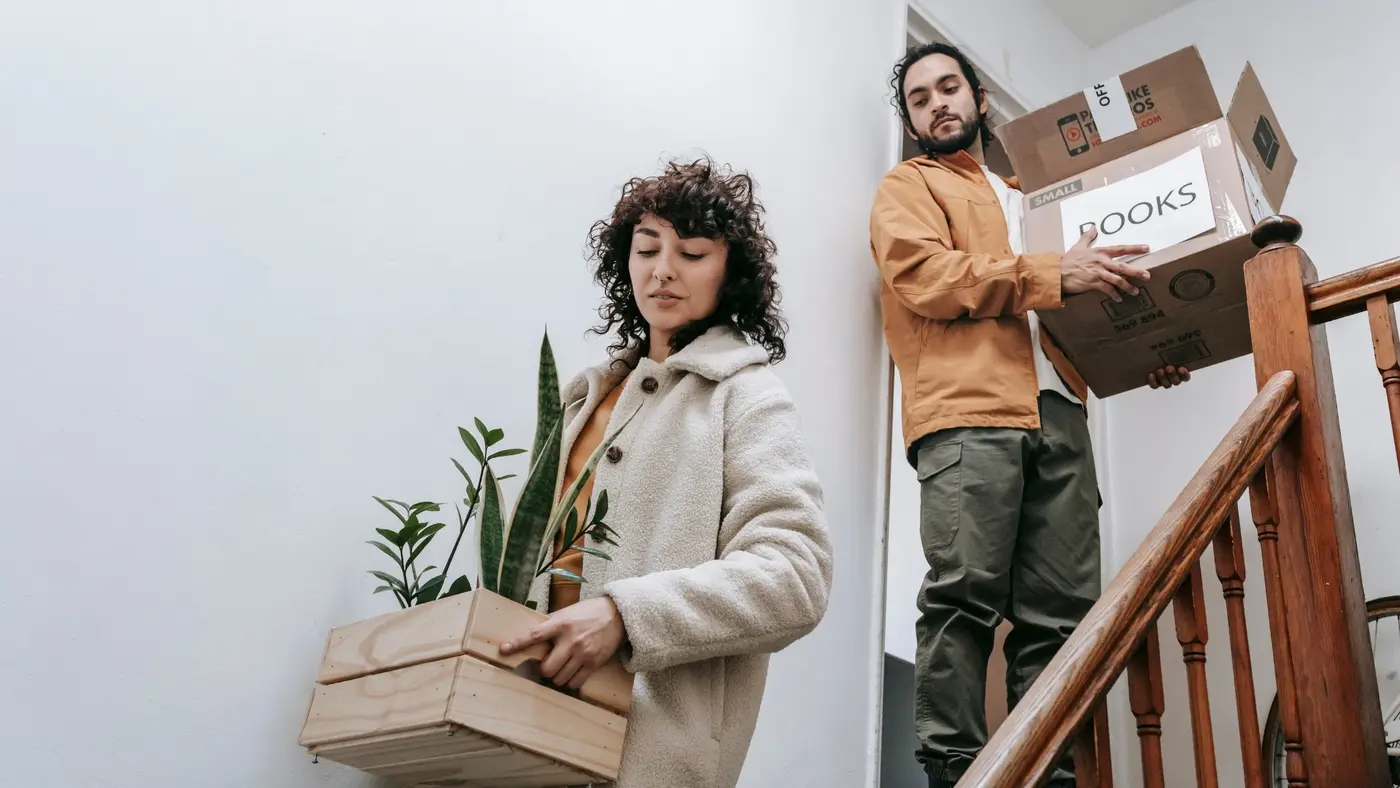
5. Mark Fragile Boxes and Keep Essentials Separate
Some belongings need extra care, while others should be easy to access as soon as you arrive. Clear labels help you handle both situations more efficiently.
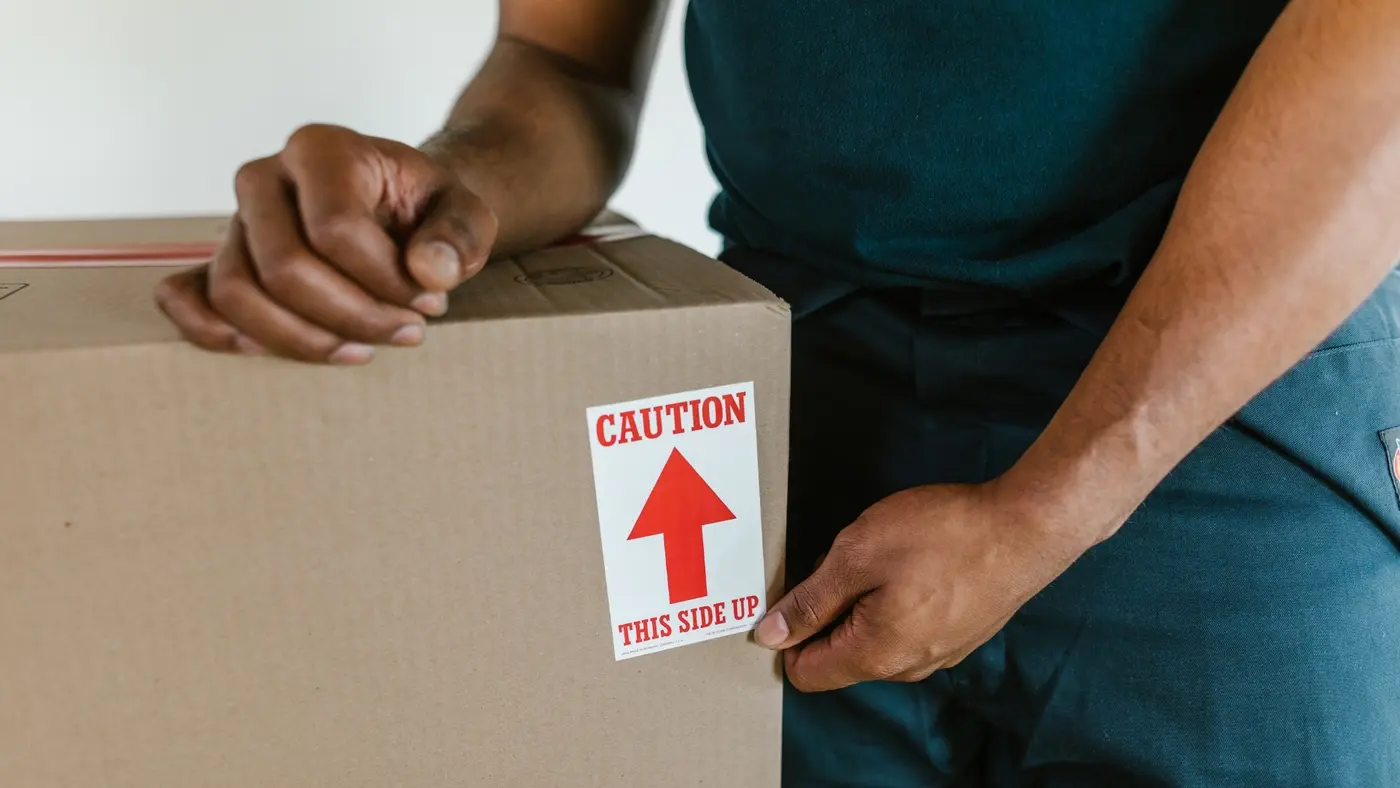
For boxes containing delicate items, write "FRAGILE" or "HANDLE WITH CARE" in visible letters. Add "THIS SIDE UP" when the contents need to remain upright. Use proper wrapping and cushioning as well, because labels alone cannot prevent damage.
Next, prepare a separate essentials box for the first day in your new home. Label it "OPEN FIRST - ESSENTIALS" and include items such as:
- Toiletries and towels
- Phone chargers
- A change of clothes
- Basic kitchen supplies
- Bedding for the first night
- Important documents and necessary medications
Keep this box accessible instead of placing it beneath other moving boxes. You'll be able to find what you need without unpacking the entire house.
6. Prioritize Boxes Based on Unpacking Order
Not every box needs to be opened immediately. Labeling boxes according to priority helps you focus on essential belongings first and leave less important items for later.
You can use three simple categories:
- Unpack First: Bedding, toiletries, daily medications, and basic kitchen essentials.
- Unpack Soon: Everyday clothes, cookware, work supplies, and frequently used household items.
- Unpack Later: Seasonal decorations, keepsakes, and items you rarely use.
Write the priority directly on the box or use simple stickers to distinguish each category.
This approach helps you settle into your new home comfortably without feeling pressured to unpack everything in a single day. Once the essential rooms are functional, you can work through the remaining boxes at your own pace.
The key is to choose a labeling system that works for your household and stick to it throughout the move. Clear room names, short contents descriptions, and sensible unpacking priorities can make a noticeable difference in how quickly you get settled.
Also Read:
What Is Included in a Professional Moving Service?
Do Movers Disassemble and Reassemble Furniture?
House Movers in Dubai: What to Expect and How to Book
Ready to Make Unpacking Faster and Stress-Free?
Packing an entire home, protecting fragile belongings, and keeping track of moving boxes can take considerable time and effort.
BeMore Movers offers professional packing and wrapping services in Dubai. Our trained in-house crews use quality packing materials, label boxes by destination room, record contents, and match box numbers to an inventory list to help keep your belongings organised.
Whether you need full-home packing, partial packing, or extra care for fragile items, we can tailor our services to your requirements. We also handle building permits and service lift bookings where required.
Book a free 10-minute video call with Rana, our Head of Logistics, and receive a fixed written price the same day.
Get Your Moving Price on WhatsApp or call +971 50 133 4090 to get started.
Conclusion
Unpacking doesn't have to be a tiring search for everyday essentials. By labelling each box with its destination room, contents, and unpacking priority, you can easily find what you need and avoid unnecessary confusion. A simple, consistent labelling system helps you stay organized and settle into your new home faster, without the stress of opening multiple boxes to find one item.